The collaborative program brings together films from the collections of Arsenal Filminstitute in Berlin and CIRCUIT. It unfolds as a conversation around the work that moving images do in framing identity, place and imagination, and the productivity of gaps.
Admission Free, Limited seating, Book here.
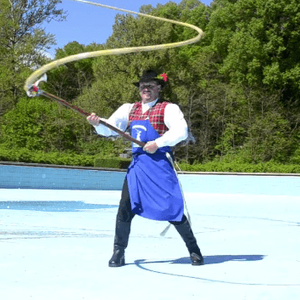
Ukrit Sa-nguanhai’s film Trip After (2022), which is held in both collections, acts as the starting point of the program. The film maps mobile cinema screenings in Isan, Thailand, used as anti-communist propaganda tool by the USA in the 1960s.
Fugue (2015), by Kerstin Schroedinger stages a performative investigation of Fordist attempts at enhancing productivity in industrial production, in which film played a significant role as a medium of examination and categorization.
With Lake of Wandering Spirits (2026) by Frances Libeau, the program dives into a close reading of documentary footage of a sheep culling in New Zealand in the late 1970s.
Clemens von Wedemeyer's Die Pferde des Rittmeisters (2016) applies a similar technique to 16mm footage his grandfather, a horse enthusiast, filmed on the front lines of World War II in Europe.
In Utkarsh's Remote Occlusions (2024) automated image recognition is pushed to its limits as surveillance cameras attempt to identify human movements.
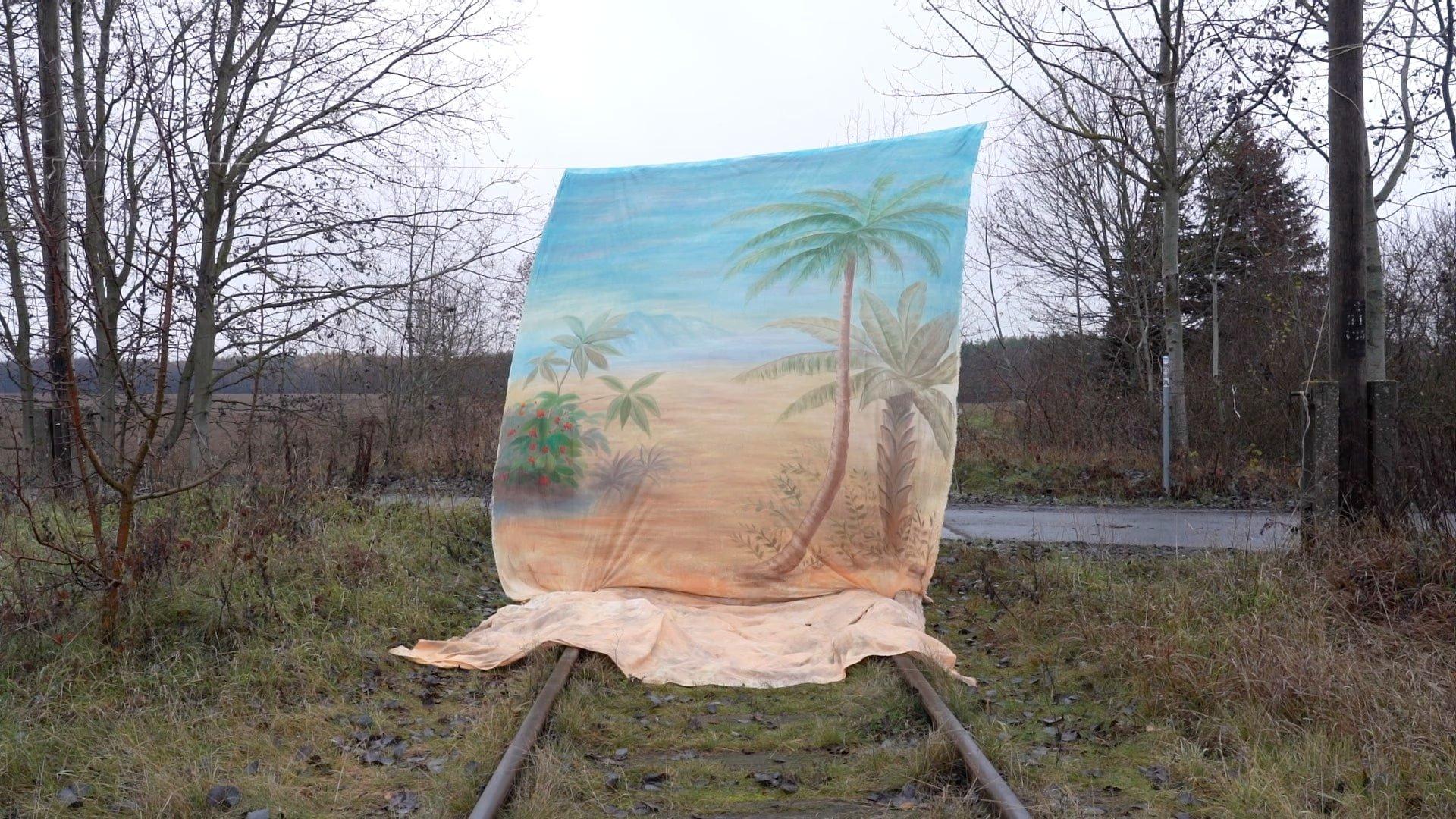
In Background Scenes (2023) artists Jana Müller and Matthew Cowan take historic painted backgrounds commonly used in 19th century photographic studios and restage them in locales at odds with their depictions.
Finally, Sandy Wakefield's Tawhiremātea (2019) appropriates commercial images from the US-American Prelinger Archives to reimagine the pūrākau / origin story of the mighty Tāwhirimātea (god of the wind).
Curated and introduced by Ulrich Ziemons (head of Berlinale Forum Expanded) and Mark Williams (Director of CIRCUIT).
With the kind support of Goethe-Institut New Zealand.
Admission Free, Limited seating, Book here.